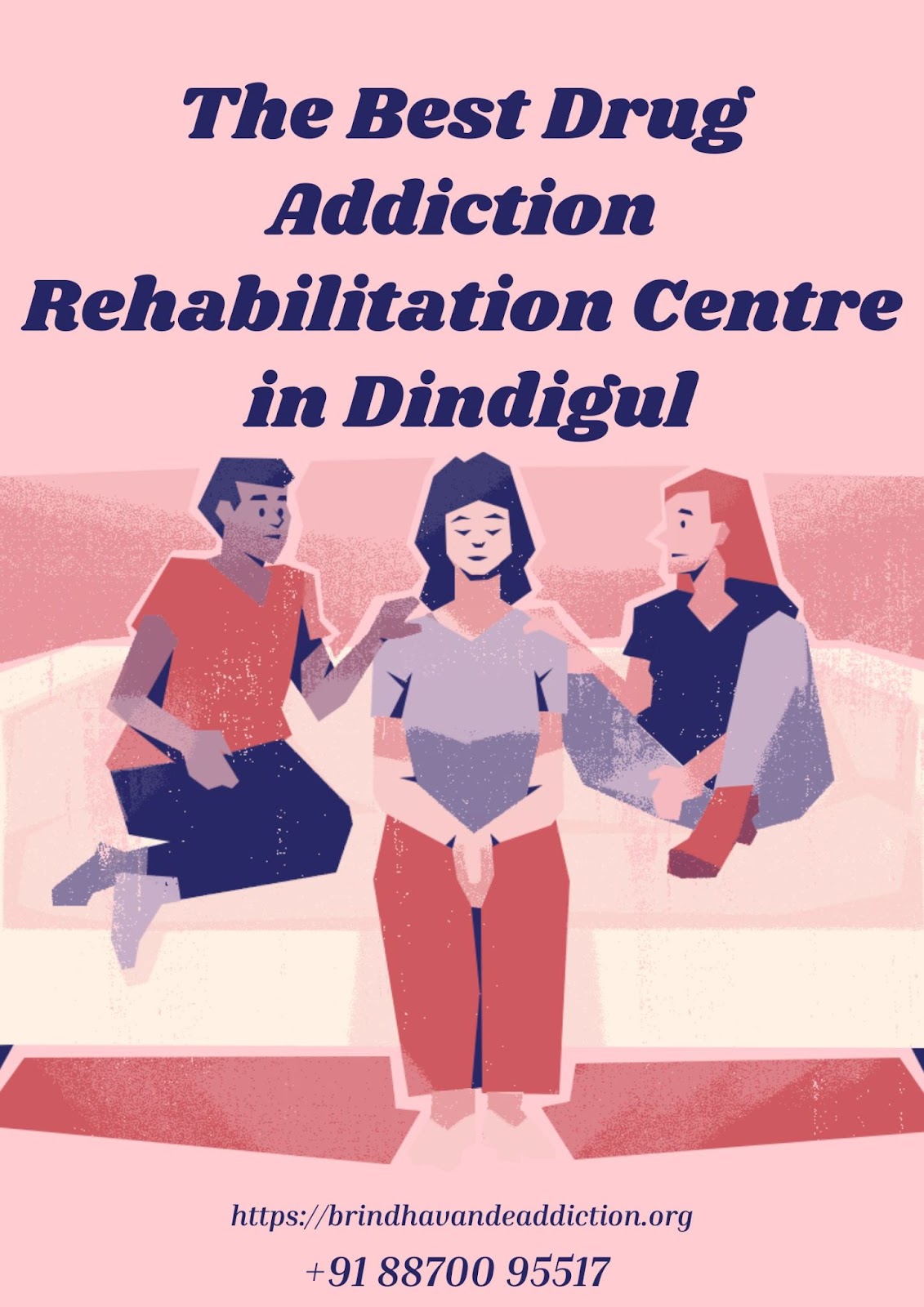
Exploring Different Therapies Offered at De-Addiction Centres

De-addiction centres play a crucial role in helping individuals break free from the chains of addiction. These centres offer a variety of therapies to support patients on their journey to sobriety. Let’s explore some of the different therapies available at a de-addiction centre.

1. Counseling and Talk Therapy: Counseling is the cornerstone of many de addiction centres. In individual counseling sessions, a trained therapist works one-on-one with the patient to understand the root causes of their addiction. Talk therapy provides a safe space for patients to express their feelings, fears, and challenges. This helps them develop coping strategies and set goals for their recovery.

2. Group Therapy: Group therapy involves sessions where patients share their experiences with others facing similar struggles. This form of therapy creates a sense of community and support. Patients realize they are not alone, which can be very motivating. Group therapy also encourages patients to learn from each other's experiences and offers a platform for mutual support.

3. Medication-Assisted Treatment (MAT): Some de addiction centres use medications to help manage withdrawal symptoms and reduce cravings. This is often combined with counseling and other therapies. Medication-assisted treatment is particularly effective for addictions to substances like alcohol and opioids.

4. Cognitive Behavioral Therapy (CBT): CBT is a type of talk therapy that focuses on changing negative thought patterns that contribute to addiction. By identifying and addressing these harmful thoughts, patients can develop healthier ways of thinking and behaving. CBT is widely used in de-addiction centres due to its effectiveness.

5. Family Therapy: Addiction affects not just the individual but their family as well. Family therapy aims to improve communication and resolve conflicts within the family. This therapy helps family members understand the addiction process and learn how to support their loved one’s recovery.

6. Holistic Therapies: Many de-addiction centres offer holistic therapies like yoga, meditation, and art therapy. These therapies focus on healing the mind, body, and spirit. They provide patients with healthy outlets for stress and emotions, promoting overall well-being.

In conclusion, a de-addiction centre offers a range of therapies to cater to the diverse needs of patients. Whether it's through counseling, group support, medication, or holistic approaches, these therapies work together to support individuals on their path to recovery.

Comments

Popular posts from this blog

Services in Brindhavan deaddiction centre

Why is it important to seek professional help at a de addiction centre for drug de addiction or alcohol addiction treatment? A De Addiction Treatment Centre is a crucial facility designed to help individuals struggling with addiction regain control of their lives. Whether it's drug de addiction or alcohol addiction treatment, such centres provide a safe, supportive, and therapeutic environment. These centres offer specialized programs for people battling deaddiction, aiming to guide them through their recovery process and towards a healthier lifestyle. As the saying goes, "Say no to drugs" seeking professional help at a de addiction centre is the first step toward recovery. The primary goal of any de addiction facility is to help individuals break free from the hold of addiction. Deaddiction therapy is at the core of these treatment centres, designed to address both the physical and psychological aspects of addiction. In a de addiction centre in Dindigul, various therapeutic methods are used to help individuals cope with the cravings and withdrawal symptoms associated with addiction. These treatments include counseling, group therapy, and sometimes medication to ensure a holistic recovery approach. With the right support, patients are empowered to overcome their addiction and rebuild their lives. As an old adage reminds us, "Addiction is a disease, not a choice." One of the key components of an alcohol deaddiction centre is detoxification, followed by ongoing therapy. Alcohol addiction can have severe long-term effects on health, and specialized treatment is required to help individuals safely withdraw from alcohol. Alcohol addiction treatment in Dindigul is tailored to each person’s needs, ensuring that they receive the right level of care and attention. In these centres, professional counselors and medical staff provide the guidance and supervision required for detoxification and rehabilitation, making the recovery process safer and more effective. "The first step to recovery is admitting you have a problem" and these centres provide the support needed at every step. The de addiction treatment centre also emphasizes emotional and mental healing. Addiction often stems from deep emotional and psychological struggles, and effective therapy addresses these root causes. Through deaddiction therapy, individuals can confront underlying issues such as stress, trauma, and anxiety, which may have led to substance abuse. Therapeutic techniques such as Cognitive Behavioral Therapy (CBT) and mindfulness training are used to help individuals manage their emotions, reduce stress, and build healthier coping mechanisms. As we often hear, "Recovery is hard, but so is living in addiction." Finally, the success of a de addiction centre lies in its aftercare programs. Once a person has completed their initial treatment, continuous support is essential for maintaining sobriety. Regular follow-ups and outpatient services at a de addiction centre ensure that individuals stay on track. Remember, "It’s not how you start, it’s how you finish" and with the right care, individuals can continue their journey toward a life free of addiction.

How does Brindhavan’s personalized treatment approach help individuals recover from drug addiction?